

Reading a research paper on game audio today, I paused on a controversial conclusion that it drew. It may or may not be valid, but it’s certainly a debatable topic. The author, Axel Stockburger of the Academy of Fine Arts in Vienna, wrote about the contribution of audio to the video game experience in his paper entitled “The Game Environment from an Auditory Perspective.” In it, he said, “Generally the score has a huge emotional impact on the player and it can enhance the feeling of immersion. This means there should not be too many gaps within the musical score of a game as this would threaten the immersive bond with the player.”

In video games, there certainly is a long tradition behind this approach, from the early days of Super Mario Bros. to many modern releases. Games with continuous music are plentiful. I’d agree that music definitely enhances the emotional impact of the events the player experiences, and that music can make the environment feel more involving. But the question is… should the music always be joined together without gaps? A lot of game music implementation designs have tried to eliminate the “seams” between music tracks so that everything runs together… but this goal can’t always be perfectly attained. Taken to an idealized extreme, we might imagine the music of a game could come across to the listener as one large composition – but the technology hasn’t yet reached the stage where this perfectly seamless presentation is possible. If it could be done, would we want our music to be knit together this way?
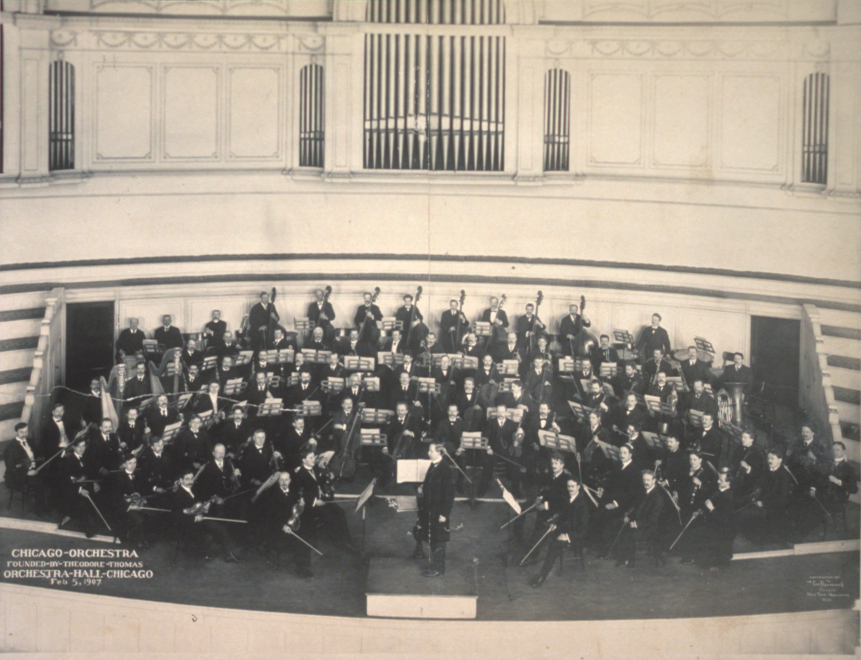
When listening to a symphony, newcomers to classical music are often confused by the gaps between movements. Wasn’t that the end? Why is no one clapping? It can feel odd to sit in silence for the next portion of the work to begin, but the silence can be effective in subtle but powerful ways. The construction of the music has purposefully included gaps of silence in the piece, yet it is still considered one unified work of art. What can silence do to enhance music? Silence can provide contrast, and enhance anticipation… but only to a certain degree. For instance, in a symphony the pause between movements is usually only long enough to provide an aural palette cleanser, so that the resumption of music will be more thoroughly enjoyed.
So, would occasional gaps of silence in video games “threaten the immersive bond” and disrupt the player’s enjoyment of the game? It’s a complicated question, and definitely drew my attention when I was reading Stockburger’s paper. I think it’s an important issue, and one that we in the game audio community should be thinking about. You can find a PDF of his paper available at his website. Axel Stockburger is an interesting artist and academic who has studied many aspects of video games – there’s an interview at the GameScenes.org site which provides more insight into his perspective on the subject.